No confíes.
Verifica.
Don't trust.
Verify.
Rupix es moneda digital que no controla nadie: existirán 42,000,000 y nunca se podrá crear uno más. Se vuelve más escasa con cada uso. Sin pre-mine. Sin reserva de fundador. Construida en público. Rupix is digital money that no one controls: 42,000,000 will ever exist and not one more can be created. It grows scarcer with every use. No pre-mine. No founder reserve. Built in public.
La red encendida · cada luz es un nodo realThe network, lit · every light is a real node
Rupix es dinero digital que no controla nadie. Habrá 42 millones y ni uno más, y cada vez que alguien lo usa, una parte se quema: se vuelve más escaso con el uso. No hubo premine ni venta; quien lo creó mina desde el bloque 1 como cualquiera. Y tiene algo que ninguna otra red tiene: una escalera de cinco niveles donde puedes convertir diez monedas en una pieza del nivel siguiente, quemándolas para siempre; nadie está obligado a subir, pero el que sube tiene algo de lo que solo existirán 2,100 en toda la historia. Todo está probado en público: cada regla con su test, y cualquiera puede recompilar y comprobar que los binarios son el código. No confíes, verifica. Rupix is digital money that no one controls. There will be 42 million and not one more, and every time someone uses it, part of it burns: it gets scarcer with use. No premine, no sale; whoever created it mines from block 1 like anyone else. And it has something no other network has: a five-level ladder where you can turn ten coins into one piece of the next level by burning them forever; nobody has to climb, but whoever does holds something only 2,100 of will ever exist. All of it proven in public: every rule with its test, and anyone can rebuild the binaries and check they match the code. Don't trust, verify.
¿Por qué existe Rupix? Why does Rupix exist?
Rupix es moneda digital que no controla nadie, para todos: sin dueño, sin premine (sin monedas preguardadas por su creador), sin permiso para entrar. Se vuelve más escasa con cada uso. Con un techo de 42 millones que nadie puede cambiar, y una cantidad que solo baja. Mientras el dinero normal se imprime, Rupix se hace más escasa. Y no tienes que confiar en nadie: verifícalo. Rupix is digital money that no one controls, for everyone: no owner, no premine (no coins set aside by its creator), no permission needed to join. It grows scarcer with every use. With a 42 million cap no one can change, and a supply that only shrinks. While regular money gets printed, Rupix gets scarcer. And you don't have to trust anyone: verify it.
Rupix existe para explorar una forma de escasez que nadie había construido: un activo que se hace más escaso mientras más se usa. Cada transacción consume una parte, para siempre. La cantidad en circulación solo puede bajar. Rupix exists to explore a form of scarcity no one had built: a currency that becomes rarer the more it is used. Every transaction consumes a part, forever. The circulating supply can only go down.
Lo que no existe en ninguna otra red es la escalera: cinco niveles donde crear una pieza superior exige destruir diez de la inferior. Un King cuesta 10,000 Gold convertidos en ceniza. Llenar los 2,100 Kings quemaría 21 millones — la mitad de todo el Gold que existirá jamás. Y cada nivel se abre en un halving distinto: nadie, ni el fundador, puede adelantarse. What exists in no other network is the ladder: five levels where creating a higher piece requires destroying ten of the lower one. One King costs 10,000 Gold turned to ash. Filling all 2,100 Kings would burn 21 million — half of all the Gold that will ever exist. And each level opens at a different halving: no one, not even the founder, can get ahead.
Encima, cada transacción destruye una fracción, y el spam se castiga por byte: entre más fuerte el ataque, más grande el regalo para todos. On top of that, every transaction destroys a fraction, and spam is punished per byte: the stronger the attack, the bigger the gift to everyone.
Llegues cuando llegues, llegas a algo que se está volviendo más raro. Whenever you arrive, you arrive at something that is becoming rarer.
Una L1 sobre BlockDAG, con economía propia An L1 on a BlockDAG, with its own economics
Rupix es una blockchain Layer 1 con consenso Proof of Work sobre un BlockDAG — no una cadena lineal. Está construida sobre la arquitectura GHOSTDAG de Kaspa, publicada en código abierto bajo licencia ISC. Partimos de su motor de consenso GHOSTDAG; encima construimos nuestra economía y le añadimos verificación al propio consenso: el conteo de gemas se sella en el hash de cada bloque, se valida y persiste. Lo nuestro: Rupix is a Layer 1 blockchain with Proof of Work consensus on a BlockDAG — not a linear chain. Rupix is a fork of kaspad — an independent chain built from Kaspa's open-source code (GHOSTDAG), under the ISC license, with credit. It is not part of the Kaspa network and does not use KAS. We start from their consensus engine; on top we build our economy and add verification to the consensus itself: the gem count is sealed in each block's hash, validated and persisted. Ours:
- 5 niveles de escasez con quema permanente para ascender de nivel 5 scarcity levels with permanent burning to move up a level
- Supply de 42,000,000 RUPIX por calendario, sellado en el protocolo: 41,999,994.96 por truncamiento, más un exceso acotado en cada frontera de halving (la letra chica) Supply of 42,000,000 RUPIX by schedule, sealed in the protocol: 41,999,994.96 after truncation, plus a bounded excess at each halving boundary (the fine print)
- Genesis sin pre-mine: el primer RUPIX se minará después del bloque 0, como Bitcoin Genesis with no pre-mine: the first RUPIX will be mined after block 0, like Bitcoin
-
Identidad propia: parámetros de red, direcciones
rupix:, denominaciones en rupias Its own identity: network parameters,rupix:addresses, denominations in rupias
¿Qué es una L1?What is an L1?
Una blockchain "de primera capa": la red base, con sus propias reglas y su propio activo. No vive encima de otra — como Bitcoin, es su propio territorio. A "layer one" blockchain: the base network, with its own rules and its own asset. It doesn't live on top of another — like Bitcoin, it's its own territory.
¿Qué es un BlockDAG?What is a BlockDAG?
En vez de una fila india de bloques —uno tras otro—, es una red donde varios bloques pueden nacer al mismo tiempo y todos cuentan, todos se ordenan. Más velocidad, sin tirar trabajo a la basura. Instead of a single-file line of blocks —one after another—, it's a network where several blocks can be born at the same time and all count, all get ordered. More speed, no work thrown away.
¿Qué es Proof of Work?What is Proof of Work?
Para crear monedas hay que trabajar: computadoras resolviendo problemas que cuestan energía real. Nadie recibe nada gratis. Ni el fundador. To create coins you have to work: computers solving problems that cost real energy. No one gets anything for free. Not even the founder.
La escalera de escasez The scarcity ladder
Cada nivel se obtiene quemando 10 unidades del anterior. La quema es irreversible y queda registrada en la blockchain para siempre — nadie puede revertirla: ni fundadores, ni mineros, ni ningún acuerdo futuro. Each level is obtained by burning 10 units of the previous one. Burning is irreversible and recorded on the blockchain forever — no one can undo it: not founders, not miners, not any future agreement.
minadomined
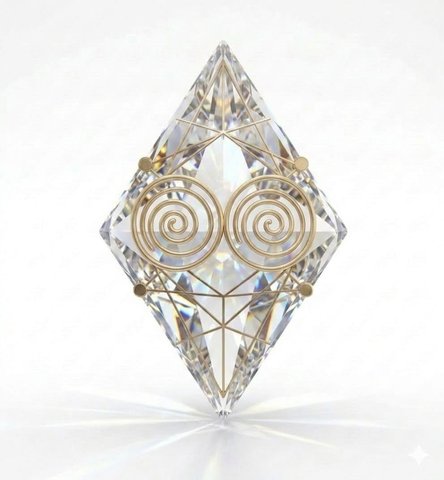
10× Gold 🔥
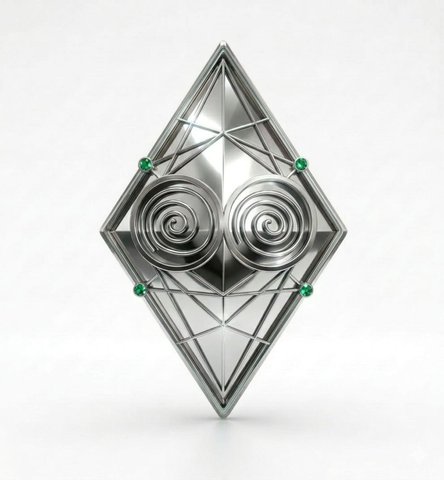
10× DiamanteDiamond 🔥
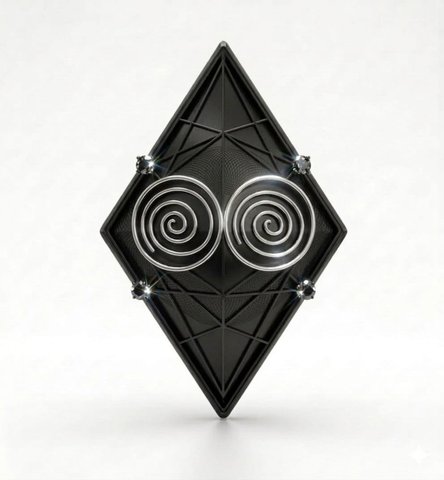
10× PlatinoPlatinum 🔥
10× RodioRhodium 🔥
Llenar el supply completo de Kings implicaría destruir 21 millones de Gold — la mitad de todo el que existirá jamás. Los topes son máximos permitidos, no metas: puede que el último King nunca llegue a existir. Eso no es un defecto — es la escasez funcionando. Filling the entire Kings supply would require destroying 21 million Gold — half of all that will ever exist. The caps are permitted maximums, not goals: the last King may never come to exist. That's not a flaw — that's scarcity working.
Cuatro halvings, cuatro fechas importantes Four halvings, four key dates
Cada halving hará dos cosas a la vez: cortar a la mitad la creación de Gold nuevo, y abrir la puerta de un nivel que estaba cerrado para todo el mundo. Antes de su halving, ningún nivel puede existir. Para nadie. Each halving will do two things at once: cut the creation of new Gold in half, and open the door to a level that was closed to everyone. Before its halving, no level can exist. For anyone.
¿Qué es un halving?What is a halving?
Cada ~16 meses, la cantidad de Gold nuevo que aparece se corta a la mitad. Como una mina que produce cada vez menos oro. Sucede solo, por regla — nadie lo decide, nadie lo puede evitar. Every ~16 months, the amount of new Gold appearing is cut in half. Like a mine producing less and less gold. It happens on its own, by rule — no one decides it, no one can stop it.
¿Por qué esperar los niveles?Why wait for the levels?
Nadie puede tener un Diamante antes del primer halving. Ni siquiera quien creó Rupix. La puerta se abre el mismo día, a la misma hora, para todo el mundo por igual. No one can hold a Diamond before the first halving. Not even Rupix's creator. The door opens on the same day, at the same time, for everyone equally.
¿Qué pasa mientras tanto?What happens meanwhile?
Cada uso de la red destruirá un poquito de Gold para siempre. Así que cuando una puerta por fin se abre, cruzarla cuesta más que el día anterior. Los niveles altos nacen caros — por diseño. Every use of the network will destroy a little Gold forever. So when a door finally opens, crossing it costs more than the day before. High levels are born expensive — by design.
No creas lo que lees. Verifícalo tú mismo Don't believe what you read. Verify it yourself
La emisión total de Rupix no es una promesa de sitio web. Es un test en el código que tu propia máquina puede ejecutar. Clona el repositorio y corre: Rupix's total emission is not a website promise. It's a test in the code your own machine can run. Clone the repository and run:
Casi: por calendario son 41,999,994.96 — cinco RUPIX bajo el techo, por truncamiento entero en los últimos halvings. Y en un DAG hay un exceso pequeño y acotado en cada halving: los bloques minados justo antes y cobrados después conservan la recompensa vieja (medido en la testnet: 0.5 RUPIX en el halving 2). Unos pocos RUPIX en toda la vida de la cadena; Bitcoin tampoco emite exactamente 21 millones. Lo decimos nosotros antes de que lo calcules tú. Almost: by calendar it is 41,999,994.96 — five RUPIX under the cap, from integer truncation in the final halvings. And on a DAG there is a small, bounded excess at each halving: blocks mined just before it and paid after keep the old reward (measured on testnet: 0.5 RUPIX at halving 2). A few RUPIX over the life of the chain; Bitcoin doesn't issue exactly 21 million either. We say it before you calculate it.
Construcción en público, v0.6.9 Building in public, v0.6.9
Reconstruido desde kaspad v0.12.22 limpio, tras descartar 13 días de código heredado que no podíamos auditar. Las cicatrices también están en el historial de commits. Rebuilt from clean kaspad v0.12.22, after discarding 13 days of inherited code we couldn't audit. The scars are in the commit history too.
Hoy verificableVerifiable today
- Identidad de red completa: puertos, DNS, direcciones
rupix:Full network identity: ports, DNS,rupix:addresses - Denominaciones propias: RUPIX y rupiasOwn denominations: RUPIX and rupias
- Emisión: 0.5 RUPIX/bloque, halving cada 42,000,000 bloquesEmission: 0.5 RUPIX/block, halving every 42,000,000 blocks
- Sin fase privilegiada: mismas reglas desde el bloque 1No privileged phase: same rules from block 1
- Supply total demostrable por testTotal supply provable by test
Ya funcionaLive now
- ✓ Genesis con subsidy cero — premine cero, byte por byte✓ Genesis with zero subsidy — zero premine, byte by byte
- ✓ Sistema de 5 niveles con quema 10:1, en consenso✓ 5-level system with 10:1 burning, in consensus
- ✓ Quema por transacción — en el consenso, verificable✓ Per-transaction burn — in consensus, verifiable
- ✓ Verificación total del conteo de gemas — el conteo se sella en cada bloque (protegido por el minado). Un conteo falso no cuadra con el sello y se rechaza — probado en testnet desde septiembre 2026. Ni al creador le crees: verifícalo✓ Total gem-count verification — the count is sealed in every block (protected by mining). A false count doesn't match the seal and is rejected — tested on testnet since September 2026. Don't trust the creator: verify it
- ✓ Forja de gemas de punta a punta — minar Gold, quemarlo y forjar una gema (Diamante) funciona completo. El conteo se sella, valida y persiste. La escalera vive✓ End-to-end gem forging — mining Gold, burning it and forging a gem (Diamond) works fully. The count is sealed, validated and persisted. The ladder is alive
- ✓ Comunidad real — un segundo usuario, desde su propia computadora y su propio nodo, forjó 3 Diamantes reales (sept 2026, en testnets anteriores). Y se forjó el primer Platino de la red: 10 Diamantes quemados para siempre. La escalera sube de verdad, y no solo para el creador✓ Real community — a second user, from their own computer and own node, forged 3 real Diamonds (Sept 2026, on earlier testnets). And the network's first Platinum was forged: 10 Diamonds burned forever. The ladder climbs for real, not just for the creator
- ✓ Primer Diamante de v0.6.0 en la red pública (27-sep-2026) — un minero de la comunidad, desde su PC con Windows, quemó 10 Gold que minó él mismo y forjó el primer Diamante de la testnet actual. Verificado desde el seed, no desde su wallet: tx
8653650f…3a4b, DAA 180,710✓ First v0.6.0 Diamond on the public network (27-Sep-2026) — a community miner, from a Windows PC, burned 10 Gold he mined himself and forged the first Diamond of the current testnet. Checked from the seed, not from his wallet: tx8653650f…3a4b, DAA 180,710 - ✓ Pruebas en vivo con un nodo de la comunidad (28-sep-2026) — el nodo de un minero de la comunidad y el seed tienen la misma historia; un Diamante viajó entre dos wallets distintas y volvió; y cuando se intentó forjar un Platino antes de su halving, el propio nodo del minero lo rechazó. Nadie puede adelantarse, ni con los Diamantes en la mano✓ Live tests with a community node (28-Sep-2026) — a community miner's node and the seed hold the same history; a Diamond moved between two different wallets and back; and when a Platinum was forged before its halving, the miner's own node rejected it. No one can get ahead, even holding the Diamonds
- ✓ Halving 2 y primer Platino de v0.6.0 (28-sep-2026) — el Gold emitido cuadró con la regla por calendario salvo 0.5 RUPIX (explicado el 29-sep: bloques minados antes del halving y cobrados después), y el Platino se forjó quemando 10 Diamantes después de su halving. La noche anterior, uno adelantado había sido rechazado. Cualquiera puede comprobar la emisión contra su propio nodo✓ Halving 2 and first v0.6.0 Platinum (28-Sep-2026) — issued Gold matched the calendar rule to within 0.5 RUPIX (explained on 29-Sep: blocks mined before the halving and paid after), and the Platinum was forged by burning 10 Diamonds after its halving. The night before, an early one had been rejected. Anyone can check issuance against their own node
- ✓ Halving 3, 10,000 RUPIX en 46 segundos y el primer Platino de la comunidad (29-sep-2026) — la recompensa bajó a 0.0625 con el mismo punto de poda en los dos nodos; la wallet arreglada mandó 1,000 y 10,000 RUPIX (24 y 232 transacciones) desde una wallet de minero de ~78,000 pedazos; y un minero de la comunidad forjó un Platino desde su PC. El seed y su nodo, consultados por separado, devolvieron las mismas tres gemas con los mismos bloques de nacimiento. Nadie tuvo que confiar en nadie✓ Halving 3, 10,000 RUPIX in 46 seconds and the first community Platinum (29-Sep-2026) — the reward dropped to 0.0625 with the same pruning point on both nodes; the fixed wallet sent 1,000 and 10,000 RUPIX (24 and 232 transactions) from a ~78,000-piece miner wallet; and a community miner forged a Platinum from his PC. The seed and his node, queried independently, returned the same three gems with the same birth blocks. No one had to trust anyone
- ✓ v0.6.1 y el primer checkpoint publicado (29-sep-2026) — el auditor externo aprobó las cuatro ramas (checkpoints para DAG, prueba de niveles en el mempool, envíos grandes, claves de la wallet); mergeadas y publicadas. El primer checkpoint de Rupix va sobre el punto de poda que el seed y el nodo de la comunidad ya compartían (blue score 86,400,
7e2ece393c7d991c…): no impone una historia, confirma la que los nodos ya tenían. Y el medio RUPIX de más del halving 2 quedó explicado, no escondido✓ v0.6.1 and the first published checkpoint (29-Sep-2026) — the external auditor approved the four branches (DAG checkpoints, mempool level test, large sends, wallet keys); merged and released. Rupix's first checkpoint sits on the pruning point the seed and the community node already shared (blue score 86,400,7e2ece393c7d991c…): it imposes no history, it confirms the one the nodes already had. And the extra half RUPIX at halving 2 was explained, not hidden - ✓ Primer CI en verde y binarios reproducibles (30-sep-2026) — el inspector automático del código (gofmt, vet, staticcheck, compilación y toda la suite, en Linux y Mac) dio verde por primera vez; el heredado llevaba semanas rojo por piezas ajenas. Y los cuatro binarios de la release v0.6.1 se recompilaron en el seed desde el código: 4 de 4 idénticos byte por byte. Cualquiera puede repetirlo con
tools/verificar-binarios.sh. No hay que confiar ni en GitHub✓ First green CI and reproducible binaries (30-Sep-2026) — the automatic code inspector (gofmt, vet, staticcheck, build and the full suite, on Linux and Mac) went green for the first time; the inherited one had been red for weeks over pieces that weren't ours. And the four v0.6.1 release binaries were rebuilt on the seed from the code: 4 of 4 identical byte for byte. Anyone can repeat it withtools/verificar-binarios.sh. You don't even have to trust GitHub - ✓ Halving 4: toda la escalera abierta (30-sep-2026) — la testnet #4 cruzó el bloque 400,000 y recorrió su diseño completo en cuatro días: recompensa 0.03125, y los cinco niveles abiertos, Kings incluido. La emisión cuadró: 220 Gold quemados en 22 Diamantes. La poda avanzó más allá del primer checkpoint y el nodo lo sigue teniendo: los checkpoints sobre puntos de poda no desaparecen✓ Halving 4: the whole ladder is open (30-Sep-2026) — testnet #4 crossed block 400,000 and ran its full design in four days: reward 0.03125, all five levels open, Kings included. Issuance matched: 220 Gold burned in 22 Diamonds. The pruning point moved past the first checkpoint and the node still holds it: checkpoints on pruning points don't vanish
- ✓ v0.6.5: la red se cierra por tipo de conexión, la escalera por RPC y
rupixwallet verificar(7-oct-2026) — el auditor revisó v0.6.4 y encontró que una fila de la especificación mentía (la quema del Diamante es exactamente 10 RUPIX y ya cubre la quema por transacción; el código siempre lo exigió así): corregida y fijada con test. Pidió una lista blanca por tipo de conexión (un peer ya no puede mandar mensajes de RPC, ni al revés) y un fuzzer del tipo de wire completo; ese fuzzer encontró en su primera corrida un mensaje heredado que se podía recibir pero no mandar. Cuatro cosas más que un 51 % sí puede hacer, escritas sin rodeos. Y dos herramientas para el usuario: el RPCGetGemsInfo(gemas nacidas, vivas y topes) yrupixwallet verificar: una pantalla, sin contraseña, que comprueba que tu binario es exactamente el de la release (las releases publican ahora el sha256 de cada binario), que tu nodo está sano y en la red correcta, que tiene los checkpoints, y el estado de la escalera. En el seed: 22 Diamantes nacidos, 2 vivos, 2 Platinos; cuadra solo. Binarios reproducibles 4/4. Release v0.6.5.✓ v0.6.5: connection-type whitelist, the ladder over RPC andrupixwallet verificar(7-Oct-2026) — the reviewer went over v0.6.4 and found a row in the spec that lied (the Diamante burn is exactly 10 RUPIX and already covers the per-transaction burn; the code had always demanded that): corrected and pinned with a test. He asked for a whitelist by connection type (a peer can no longer send RPC messages, nor the other way round) and a fuzzer for the whole wire type; that fuzzer found on its first run an inherited message that could be received but not sent. Four more things a 51 % can do, written plainly. And two tools for the user: theGetGemsInfoRPC (gems born, alive and caps) andrupixwallet verificar: one screen, no password, that checks your binary is exactly the one in the release (releases now publish the sha256 of every binary), that your node is healthy and on the right network, that it has the checkpoints, and the state of the ladder. On the seed: 22 Diamantes born, 2 alive, 2 Platinos; it adds up on its own. Reproducible binaries 4/4. Release v0.6.5. - ✓ v0.6.7 → v0.6.9: checkpoint #3, compartido desde el nacimiento (22-oct-2026) — la v0.6.7 no pasó nuestra propia verificación de binarios (el compilador de C del CI cambió y 8 KB cambiaron sin tocar una línea de Go); la v0.6.8 intentó quitar C y no compiló (las firmas son C); la v0.6.9 fija el sistema de compilación y es la que se instala. Tres etiquetas en una noche, todas documentadas; así se ve "construcción en público" cuando sale mal. Esa misma noche, por primera vez un checkpoint de Rupix nació confirmado por un nodo que no es nuestro: el seed y el nodo #2 de la comunidad (JC, desde Windows, sincronizado desde cero) reportaron el mismo punto de poda a la vez, blue score 1,987,200. Con su nodo también quedó cerrada la confirmación externa del #2, pendiente desde el 7 de octubre. Y
rupixwallet verificardejó de asustar a nodos correctos: un checkpoint anterior a tu punto de poda ya no se puede releer, y ahora lo explica en vez de marcar FALLO.✓ v0.6.7 → v0.6.9: checkpoint #3, shared from birth (22-Oct-2026) — v0.6.7 failed our own binary check (the CI's C compiler changed and 8 KB changed without touching a line of Go); v0.6.8 tried to drop C and did not compile (signatures are C); v0.6.9 pins the build system and is the one to install. Three tags in one night, all documented; this is what "building in public" looks like when it goes wrong. That same night, for the first time a Rupix checkpoint was born confirmed by a node that is not ours: the seed and community node #2 (JC, on Windows, synced from scratch) reported the same pruning point at the same time, blue score 1,987,200. His node also closed the external confirmation of #2, pending since October 7. Andrupixwallet verificarstopped scaring correct nodes: a checkpoint below your pruning point can no longer be re-read, and it now explains that instead of flagging FALLO. - ✓ v0.6.6: gemas vivas exactas,
forge --county la escalera completa en el explorador (14-oct-2026) — la noche del 7 de octubre ER forjó tres Diamantes a mano mirando el explorador y durante unos segundos la tarjeta dijo "creados 23 · vivos 2 · quemados 21": "creados" salía del conteo que sella cada bloque y "vivos" de una caché de 30 segundos; dos números de momentos distintos y la resta mentía. Ahora el nodo cuenta las gemas vivas una vez y desde ahí suma y resta en cada bloque, exacto en todo momento, con test. La wallet aprendióforge --count N: N gemas con una sola contraseña, esperando a ver cada una antes de la siguiente; ygemsempieza con tu Gold. El explorador muestra por nivel creados / tope · por crear · quemados · vivos. Fuzz nocturno #6 con siete objetivos: cero fallos. Binarios reproducibles 4/4. Release v0.6.6.✓ v0.6.6: exact live gem counts,forge --countand the full ladder on the explorer (14-Oct-2026) — on the night of 7 October ER forged three Diamantes by hand while watching the explorer, and for a few seconds the card read "created 23 · alive 2 · burned 21": "created" came from the count every block seals and "alive" from a 30-second cache; two numbers from different moments, and the subtraction lied. Now the node counts live gems once and from then on adds and subtracts on every block, exact at all times, with a test. The wallet learnedforge --count N: N gems with a single password, waiting to see each one before the next; andgemsstarts with your Gold. The explorer shows per level created / cap · left to create · burned · alive. Nightly fuzz #6 with seven targets: zero failures. Reproducible binaries 4/4. Release v0.6.6. - ✓ v0.6.4: checkpoint #2 y la verdad del 51 % (7-oct-2026) — el segundo checkpoint de la testnet (blue score 691,200) salió antes de que caducara el primero, como manda la regla de "nunca un hueco"; se publicó sin ningún nodo ajeno encendido y CHECKPOINTS.md lo dice tal cual, con la confirmación externa marcada como pendiente. La especificación ganó su sección 7: lo que un ataque del 51 % puede y no puede hacer, con tests al lado y, donde no hay regla, dicho sin rodeos. El fuzzer ya revisa la escalera entera contra un juez escrito aparte (946,513 transacciones en 3 minutos, cero discrepancias) y lleva dos noches sin un solo fallo. El README dice desde hoy cómo se construye Rupix: por ER con Claude. Binarios reproducibles 4/4. Release v0.6.4.✓ v0.6.4: checkpoint #2 and the truth about 51% (7-Oct-2026) — the testnet's second checkpoint (blue score 691,200) shipped before the first one expired, as the "never a gap" rule demands; it was published with no external node online and CHECKPOINTS.md says exactly that, external confirmation marked pending. The spec gained its section 7: what a 51% attack can and cannot do, with tests beside each claim and, where there is no rule, said plainly. The fuzzer now checks the whole ladder against an independently written judge (946,513 transactions in 3 minutes, zero disagreements) and has gone two nights without a single failure. The README now says how Rupix is built: by ER with Claude. Reproducible binaries 4/4. Release v0.6.4.
- ⚠ v0.6.3, release de seguridad: un paquete de 9 bytes podía apagar un nodo (4-oct-2026) — la primera noche de fuzzing, a los 31 minutos, la máquina encontró un mensaje de red malformado de 9 bytes que hacía caer cualquier nodo (código heredado de kaspad: leía un campo opcional sin comprobar que existiera; el bucle de recepción convierte cualquier mensaje antes de saber qué es, y el único atrapa-pánicos del proceso lo apaga). No roba ni toca las reglas, pero tumbar nodos a voluntad es la forma más barata de dañar una red chica. Arreglado el mismo día en dos capas (la raíz y una red de seguridad en la recepción), con tests y el caso guardado en el repo como prueba; rojo antes, verde después; suite completa en verde. Lo encontramos nosotros antes que nadie: para eso existe el fuzzing. Se avisa en privado a kaspad. Sin cambio de consenso: actualiza y sigue con tu misma wallet. Release v0.6.3 →⚠ v0.6.3, security release: a 9-byte packet could shut down a node (4-Oct-2026) — on the first night of fuzzing, 31 minutes in, the machine found a 9-byte malformed network message that crashed any node (code inherited from kaspad: it read an optional field without checking it existed; the receive loop converts every message before knowing what it is, and the process's only panic handler shuts it down). It steals nothing and touches no rule, but knocking nodes down at will is the cheapest way to hurt a small network. Fixed the same day in two layers (the root cause and a safety net at reception), with tests and the case kept in the repo as permanent proof; red before, green after; full suite green. We found it before anyone else: that is what fuzzing is for. Kaspad is being notified privately. No consensus change: update and keep your wallet. Release v0.6.3 →
- ✓ Revisión del repo a detalle y el último hueco en marcha (2-oct-2026) — se revisaron los 1,282 archivos del repo contra el código: constantes, parámetros, emisión recalculada, cada test citado y cada comando de las guías coinciden; cero secretos. Lo que no coincidía era texto que seguía en reglas viejas: trece documentos corregidos, herencia de Kaspa apartada (no borrada). Y arrancó el fuzzing: una máquina inventando millones de entradas raras toda la noche contra las reglas que nunca pueden romperse (los topes, el sello de gemas, RupixHeavyHash, los mensajes de red). Cinco objetivos, humo sin fallos, primera noche corriendo en el seed. La wallet de v0.6.3 (en rama) ya no acepta la contraseña en el comando en ningún caso✓ Full repo review and the last gap underway (2-Oct-2026) — all 1,282 files were checked against the code: constants, parameters, recomputed issuance, every cited test and every command in the guides match; zero secrets. What didn't match was text still describing old rules: thirteen documents fixed, Kaspa leftovers set aside (not deleted). And fuzzing started: a machine inventing millions of odd inputs all night against the rules that can never break (the caps, the gems seal, RupixHeavyHash, network messages). Five targets, smoke run clean, first night running on the seed. The v0.6.3 wallet (in a branch) no longer takes the password on the command line anywhere
- ✓ v0.6.2: el tope ya no mata bloques, y el nodo nuevo valida sus puntos de poda (30-sep-2026) — el auditor externo encontró que nuestra regla más dura ("un bloque que exceda el tope de gemas se rechaza entero") era un veneno en un DAG: si ese bloque llegaba a ser punta, cada bloque honesto que lo mergeara caía con él. Se cerró el mismo día con su método (tres tests en rojo, el arreglo, tres en verde): el bloque entra y la forja que excede el tope, sola, no se acepta. Nadie más pierde. También quedó cerrado lo prometido en v0.6.1: un nodo que sincroniza desde cero valida la lista de puntos de poda contra el checkpoint publicado; un peer hostil simulado es rechazado. Y una wallet para principiantes:
forgerevisa y pide confirmación, español o inglés, la frase semilla se verifica al crear. Primer cambio de consenso desde que hay checkpoints; visto bueno del auditor; binarios reproducibles 4 de 4; seis de siete huecos de la especificación cerrados. Release v0.6.2 →✓ v0.6.2: the cap no longer kills blocks, and the fresh node validates its pruning points (30-Sep-2026) — the external auditor found that our strictest rule ("a block exceeding a gem cap is rejected whole") was poison in a DAG: if that block became a tip, every honest block merging it went down with it. Closed the same day with his method (three red tests, the fix, three green): the block gets in and the forge that exceeds the cap, alone, is not accepted. Nobody else loses. Also closed what v0.6.1 promised: a node syncing from scratch validates the pruning-point list against the published checkpoint; a simulated hostile peer is rejected. And a wallet for beginners:forgechecks and asks for confirmation, Spanish or English, the seed phrase is verified on create. First consensus change since checkpoints exist; auditor's approval; reproducible binaries 4 of 4; six of seven specification gaps closed. Release v0.6.2 → - ✓ Regla por regla, con tests (30-sep-2026) — una tabla en el repo pone cada regla de Rupix junto al ataque que detiene y al test que lo prueba. Llenarla encontró seis huecos el mismo día y cerró cinco, incluido el más serio: la prueba heredada de que un bloque con trabajo falso se rechaza llevaba meses apagada. Ya corre. También quedó probado que un bloque con el sello de gemas falso se descarta, que la gema 2,100,001 no puede nacer aunque un atacante fabrique el bloque a mano, y que lo quemado jamás se gasta. Y la wallet aprendió a proteger a quien empieza: revisa antes de forjar, pregunta antes de quemar, habla español o inglés✓ Rule by rule, with tests (30-Sep-2026) — a table in the repo lists every Rupix rule next to the attack it stops and the test that proves it. Filling it found six gaps the same day and closed five, including the most serious one: the inherited test that a block with fake work is rejected had been switched off for months. It runs now. Also proven: a block with a fake gem seal is discarded, gem 2,100,001 cannot be born even if an attacker builds the block by hand, and what is burned can never be spent. And the wallet learned to protect beginners: it checks before forging, asks before burning, speaks Spanish or English
- ⚠ Bug de consenso encontrado y arreglado antes de mainnet (21-sep-2026) — un nuevo test de punta a punta cazó que el minero contaba dos veces las forjas: el primer King real habría sido rechazado. Encontrado en testnet y arreglado en v0.6.0, en producción desde el 26-sep. Publicamos nuestros bugs.⚠ Consensus bug found and fixed before mainnet (21-Sep-2026) — a new end-to-end test caught the miner double-counting forges: the first real King would have been rejected. Found on testnet and fixed in v0.6.0, live since 26-Sep. We publish our bugs.
- ✓ Algoritmo de minado propio (RupixHeavyHash) — Rupix es un fork de kaspad (cadena independiente, con crédito a Kaspa) y conserva su motor de minado probado, pero reemplaza la pieza que genera la matriz por una fórmula propia con sello "RUPIX". Efecto: las máquinas de minado fabricadas para Kaspa no sirven en Rupix. Todos arrancan iguales, con computadora normal (GPU/CPU). Sin ventaja de hardware heredado. Motor de Kaspa, semilla de Rupix✓ Own mining algorithm (RupixHeavyHash) — Rupix is a fork of kaspad (an independent chain, with credit to Kaspa) and keeps its proven mining engine, but replaces the matrix-generating piece with our own formula sealed with "RUPIX". Effect: mining machines built for Kaspa don't work on Rupix. Everyone starts equal, on a regular computer (GPU/CPU). No inherited hardware advantage. Kaspa's engine, Rupix's seed
- ✓ Testnet pública viva 24/7 + explorador público en vivo✓ Public testnet live 24/7 + public explorer live
- ✓ Desbloqueo de niveles por halving — en el consenso✓ Level unlocks by halving — in consensus
- ✓ Binarios descargables (Windows · macOS · Linux) para conectar tu nodo✓ Downloadable binaries (Windows · macOS · Linux) to connect your node
- ✓ Guía: cómo conectar tu nodo a la testnet →✓ Guide: how to connect your node to the testnet →
- ✓ Guía: cómo forjar tu primera gema 💎 →✓ Guide: how to forge your first gem 💎 →
- ✓ La matemática de Rupix: emisión, gemas y costos →✓ The math of Rupix: issuance, gems and costs →
La base y el camino The foundation and the path
Nuestra base. Creemos en la tecnología GHOSTDAG de Kaspa: un BlockDAG que persigue las tres cosas que toda blockchain quiere — descentralización, seguridad y velocidad. Por eso partimos de ahí, con su licencia abierta y nuestro agradecimiento. Our foundation. We believe in Kaspa's GHOSTDAG technology: a BlockDAG chasing the three things every blockchain wants — decentralization, security and speed. That's why we start there, with its open license and our gratitude.
Rupix es lo que estamos construyendo encima: una economía de escasez en 5 niveles, donde cada transacción quema y el supply solo puede bajar. Y lo hacemos frente a los ojos de todos — cada commit, cada prueba, cada error, en público. Nada que esconder. Todo que verificar. Rupix is what we're building on top: a 5-level scarcity economy where every transaction burns and the supply can only go down. And we're doing it in front of everyone — every commit, every test, every mistake, in public. Nothing to hide. Everything to verify.
Rupix está creado por ER con Claude, la inteligencia artificial de Anthropic: todo el código, las pruebas y los documentos están hechos con Claude. Ninguna línea vale por quién la escribió: vale por lo que la prueba. 349 funciones de test, fuzzing cada noche, binarios reproducibles y una especificación donde cada regla trae su ataque y su test. Si eso te hace dudar, bien: no confíes, verifica. Rupix is created by ER with Claude, Anthropic's artificial intelligence: all the code, tests and documents are made with Claude. No line is worth anything because of who wrote it: it is worth what proves it. 349 test functions, fuzzing every night, reproducible binaries and a specification where every rule carries its attack and its test. If that makes you doubt, good: don't trust, verify.